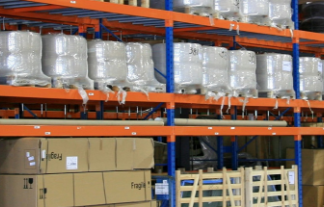
In the fast-paced world of logistics and supply chain management, maximizing warehouse efficiency is crucial. One of the most effective ways to achieve this is through the strategic implementation of pallet racking systems. These systems not only optimize space but also enhance the organization and accessibility of stored goods. By integrating a well-designed racking solution, businesses can significantly improve operational efficiency and reduce costs. This article explores various aspects of pallet racking systems, including their benefits, design considerations, and tips for effective implementation.
The Importance of Pallet Racking Systems
Pallet racking systems are indispensable for modern warehouses. They provide a structured framework that supports the storage of goods on pallets, facilitating easy access and retrieval. Here are some key benefits:
- Space Optimization: Racking systems allow for vertical storage, maximizing the use of available space.
- Improved Accessibility: Properly structured racks enable quicker access to inventory, reducing retrieval times.
- Enhanced Safety: By organizing inventory systematically, pallet racking systems minimize the risk of accidents.
- Increased Inventory Management Efficiency: These systems support better tracking and organization of stock levels.
Design Considerations for Effective Racking
Assessing Warehouse Needs
The first step in designing a pallet racking system is understanding the specific needs of the warehouse. Factors such as the types of goods stored, turnover rates, and available space should be considered. To discover expert strategies here for assessing warehouse requirements.
Types of Pallet Racking Systems
Several types of pallet racking systems cater to different storage needs. Some common types include:
- Selective Racking: Allows easy access to each pallet, suitable for warehouses with diverse products.
- Drive-In Racking: Ideal for high-density storage, where selectivity is sacrificed for space.
- Pallet Flow Racking: Uses a first-in, first-out (FIFO) system, perfect for perishable goods.
- Push Back Racking: Operates on a last-in, first-out (LIFO) basis, allowing multiple pallets per lane.
To learn about tailored solutions and select the right racking system, thorough research and expert consultation are recommended.
Implementing Pallet Racking Systems
Once the design is finalized, the next phase is implementation. This involves several critical steps to ensure the system functions efficiently and safely:
- Professional Installation: Engage trained professionals to install the racking system to ensure safety and reliability.
- Regular Inspections: Conduct routine inspections to identify and rectify any wear and tear or structural issues.
- Employee Training: Train warehouse staff on the proper use and maintenance of the racking systems.
- Compliance with Regulations: Ensure that all installations comply with local safety regulations and industry standards.
Find out more about this approach here to ensure a seamless implementation process.
Maintaining Efficiency Over Time
To sustain the benefits of a pallet racking system, ongoing maintenance is essential. This includes:
- Regular Audits: Conduct audits to evaluate the system’s efficiency and identify areas for improvement.
- System Upgrades: Keep abreast of technological advancements and upgrade systems as needed to enhance functionality.
- Feedback Loops: Establish a feedback mechanism from warehouse staff to continually refine processes.
For advanced guides and tips on maintaining warehouse efficiency, explore further resources here.
In conclusion, the strategic use of pallet racking systems can dramatically improve warehouse operations. By carefully considering design, implementation, and maintenance, businesses can optimize storage efficiency, enhance safety, and streamline inventory management. For a comprehensive understanding of how to maximize warehouse efficiency, explore more insights into optimized racking solutions.