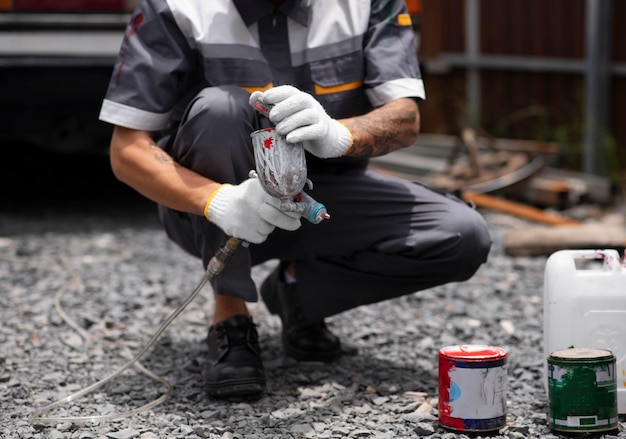
Concrete waterproofing is an essential aspect of maintaining the structural integrity and longevity of buildings, be it residential, commercial, or industrial. Water infiltration can lead to severe damage, including mold growth, structural weakening, and aesthetic deterioration. As such, understanding and implementing effective waterproofing strategies is crucial for property owners and construction professionals alike. This comprehensive guide will delve into the key aspects of concrete waterproofing services, offering insights into methods, materials, and best practices.
Understanding Concrete Waterproofing
Concrete is inherently porous, which makes it susceptible to water penetration. Effective waterproofing involves applying a protective layer or treatment to prevent water ingress. This process helps in preserving the concrete’s durability and functionality over time. Discover expert strategies here to understand the nuances of this essential service.
Types of Concrete Waterproofing Methods
There are various methods employed to waterproof concrete, each suited to different types of structures and environmental conditions. The main methods include:
1. Cementitious Waterproofing
- Easy to apply and suitable for wet areas like bathrooms and basements.
- Uses cement-based compounds that create a barrier against water.
- Cost-effective and provides a solid, durable layer.
2. Liquid Waterproofing Membrane
- Offers a flexible coating that adapts to the surface’s contours.
- Applied with a spray, roller, or trowel for seamless coverage.
- Learn about our tailored solutions for various applications.
3. Bituminous Coating
- Commonly used for residential and commercial buildings.
- Provides excellent protection against water and moisture.
- Known for its high adhesion properties and resilience.
4. Polyurethane Liquid Membrane
- Ideal for flat roofs, balconies, and terraces due to its durability.
- Creates a highly adhesive and seamless protective barrier.
- Explore advanced guides and tips on using polyurethanes effectively.
Choosing the Right Waterproofing Method
Selecting the appropriate waterproofing method depends on several factors, including the environment, structural requirements, and budget. Key considerations include:
- Environmental Conditions: Areas prone to heavy rainfall or flooding require more robust solutions.
- Structural Design: Above-ground versus below-ground structures may necessitate different approaches.
- Material Compatibility: Some materials are better suited for specific waterproofing products.
- Cost Efficiency: Balancing upfront costs with long-term benefits is crucial. Find out more about this approach to make informed decisions.
Benefits of Professional Waterproofing Services
Engaging professional waterproofing services offers numerous advantages, such as:
- Expertise: Professionals have the knowledge and experience to assess and apply the right solutions.
- Quality Materials: Access to high-grade materials ensures effective and lasting protection.
- Comprehensive Solutions: Tailored strategies address specific structural needs and challenges. Learn about our tailored solutions for different environments.
- Warranty and Support: Professional services often come with warranties and ongoing support.
Conclusion
Concrete waterproofing is a critical investment in the longevity and safety of any building. By understanding the different methods and selecting the right solution, property owners can effectively safeguard their investments from water damage. Whether opting for a DIY approach or engaging professional services, the ultimate goal is to ensure a watertight structure that stands the test of time. For more detailed guidance and expert advice, explore advanced guides and tips available online.