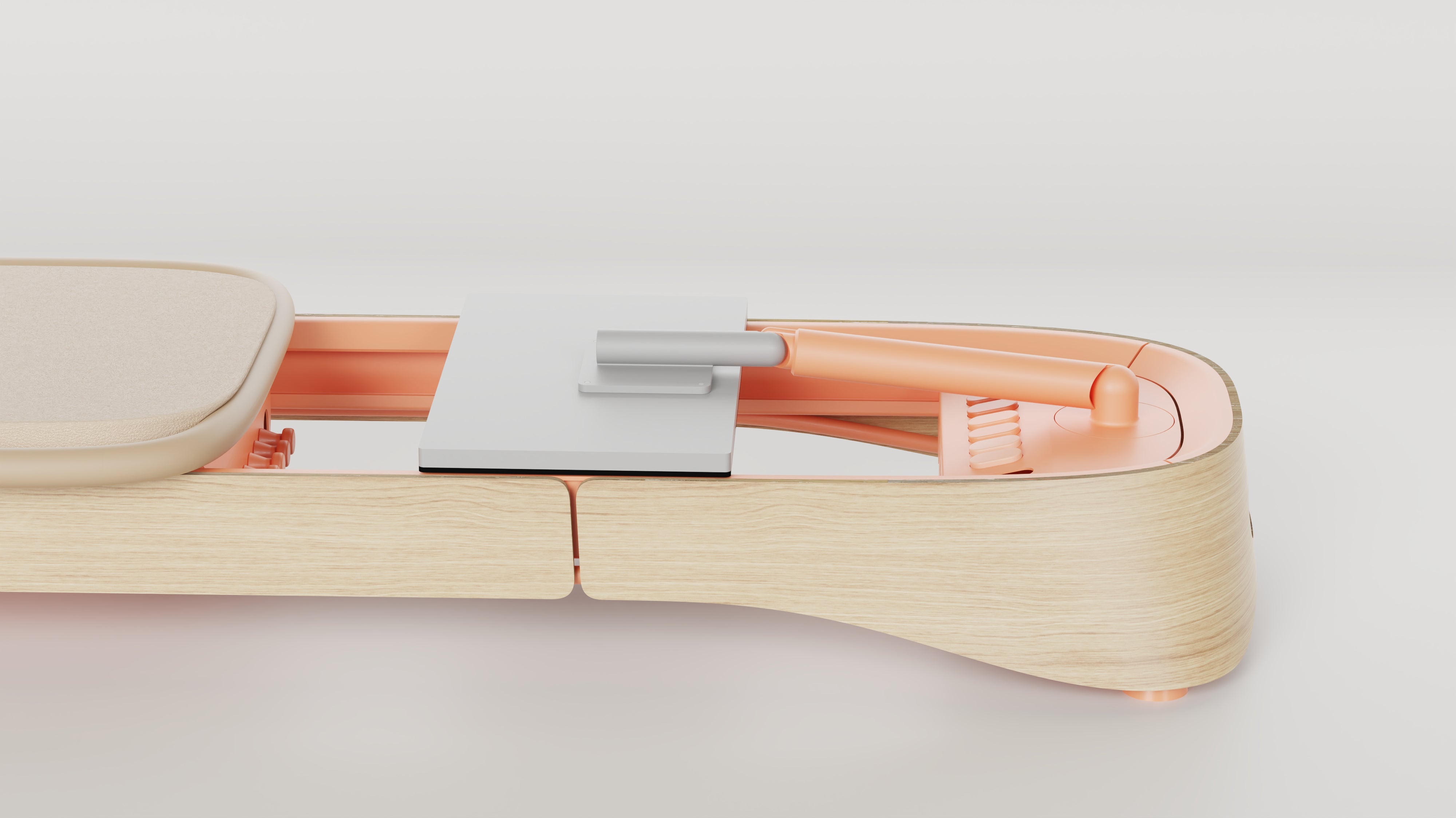
Choosing the right Pilates reformer can feel overwhelming, especially when the market offers a spectrum of designs, price points, and performance levels. A well-chosen machine not only enhances workout efficiency but also safeguards the body against injury. This guide breaks down the most important factors, features, cost, and build quality, so that fitness professionals and dedicated enthusiasts can make an informed decision that aligns with their training goals and studio budget.
Key Features to Compare
Frame Construction and Materials
- Aluminum vs. Steel: Aluminum frames are lightweight and portable, ideal for boutique studios that need to move equipment frequently. Steel frames provide superior rigidity, which translates to smoother carriage motion during intense sessions.
- Finish Quality: Powder-coated finishes resist scratches and corrosion, extending the machine’s lifespan.
Carriage and Spring Systems
- Carriage Design: Low-profile carriages reduce strain on the neck and shoulders, while larger platforms accommodate a wider range of body types.
- Spring Options: Look for interchangeable springs that allow incremental resistance adjustments. Some premium models include magnetic resistance for silent operation.
Adjustability and Ergonomics
- Adjustable footbars, headrests, and shoulder rests enable precise alignment for every exercise.
- Integrated lumbar support and padded rollers improve comfort during long training sessions.
Technology Integration
- Digital consoles with pre-programmed workout libraries are increasingly common, offering guided routines and progress tracking.
- Bluetooth connectivity can sync the reformer with mobile apps for data analysis.
Price Ranges and Value Assessment
Reformer pricing typically falls into three categories: entry-level, mid-range, and premium. While a higher price tag often reflects superior materials and advanced features, it does not automatically guarantee better results. Evaluate cost against the specific needs of your practice.
Entry-Level (<$1,200)
- Basic steel frame with limited spring sets.
- Manual adjustments only; no digital console.
- Ideal for home users or small studios testing demand.
Mid-Range ($1,200-$2,500)
- Aluminum or reinforced steel frames with a broader spring range.
- Often includes a simple LCD display for resistance tracking.
- Balanced mix of durability and functionality for growing studios.
Premium ($2,500+)
- High-grade aluminum or aerospace-grade steel frames.
- Motorized resistance, magnetic springs, and full-color touchscreens.
- Comprehensive warranty and service packages.
For a deeper dive into pricing structures and the long-term ROI of a quality reformer, Discover expert strategies here.
Quality Indicators to Watch
- Warranty Length: A minimum of three years on the frame and one year on moving parts signals confidence from the manufacturer.
- Certification: Look for ISO 9001 or CE markings, which indicate adherence to safety and manufacturing standards.
- User Reviews: Consistent positive feedback on smooth carriage glide and reliable spring performance is a strong quality cue.
- Service Network: Availability of local technicians reduces downtime.
Comparative Table: Popular Models
| Model | Frame Material | Resistance System | Price Range | Key Strength |
|---|---|---|---|---|
| Model A | Aluminum | 8 interchangeable springs | $1,100-$1,400 | Portability |
| Model B | Reinforced Steel | Magnetic + springs | $1,800-$2,200 | Silent operation |
| Model C | Aerospace-grade Aluminum | Motorized + magnetic | $2,800-$3,300 | Tech integration |
Making the Final Decision
When evaluating a reformer, prioritize the aspects that directly impact client outcomes and studio workflow:
- Does the carriage glide smoothly across the full range of motion?
- Are the adjustment mechanisms intuitive and quick to modify?
- Will the machine’s durability justify the upfront investment over the next 5-7 years?
- Is there a reliable support system for maintenance and parts replacement?
Answering these questions helps narrow the field to machines that balance performance with cost efficiency.
Additional Resources
For practitioners seeking to deepen their understanding of reformer mechanics and programming, several online guides are valuable. Detailed tutorials on spring calibration, carriage alignment, and advanced sequencing can be found at reputable fitness education portals. To complement that knowledge, Learn about our tailored solutions that integrate seamlessly with existing studio equipment.
Those interested in staying ahead of industry trends may also Explore advanced guides and tips covering emerging technologies such as AI-driven feedback systems and virtual class integration.
Finally, if the goal is to assess long-term value and warranty coverage, Find out more about this approach through case studies that illustrate real-world performance across diverse training environments.
By carefully weighing features, price, and quality, the right Pilates reformer becomes a strategic asset, enhancing client satisfaction, boosting studio reputation, and delivering consistent results for years to come.