In an era where workplaces are increasingly diverse, implementing multi-generational HR training has become essential. As organizations strive to foster inclusive environments, understanding the unique characteristics and needs of different generational cohorts can lead to more effective communication, collaboration, and productivity. This article delves into strategies for developing successful multi-generational HR training programs, ensuring that all employees, from Baby Boomers to Generation Z, are engaged and empowered.
Understanding Generational Differences
To effectively implement multi-generational training, it’s crucial to understand the distinct characteristics that define each generation. This understanding can guide the development of training programs that address diverse needs and learning styles.
- Baby Boomers (born 1946-1964): Often value face-to-face communication and have a strong work ethic. They may prefer traditional learning methods.
- Generation X (born 1965-1980): Known for their independence and adaptability. They often appreciate a balanced mix of traditional and digital learning tools.
- Millennials (born 1981-1996): Highly tech-savvy and value flexibility. Interactive and digital training methods are typically more effective for this group.
- Generation Z (born 1997-2012): Digital natives who prefer mobile and tech-driven learning experiences. They value speed and efficiency in training.
Understanding these traits allows for the creation of training content that resonates with each group. Explore advanced guides and tips to further tailor training programs to generational needs.
Creating Inclusive Training Programs
When designing multi-generational HR training, inclusivity is key. The following strategies can help ensure that training programs are effective for all generations:
Utilize Diverse Learning Formats
Incorporate a blend of learning formats to cater to different preferences:
- Workshops and Seminars: Ideal for Baby Boomers who appreciate structured and interactive sessions.
- Online Modules: Suitable for Millennials and Gen Z, who are comfortable with digital platforms.
- Mentoring and Coaching: Appeals to Generation X who value personal development and support.
By offering various learning formats, training programs can be more engaging and effective. Learn about our tailored solutions to integrate diverse learning methods into your training initiatives.
Encourage Cross-Generational Collaboration
Fostering an environment where different generations learn from each other can enhance training outcomes. Consider implementing:
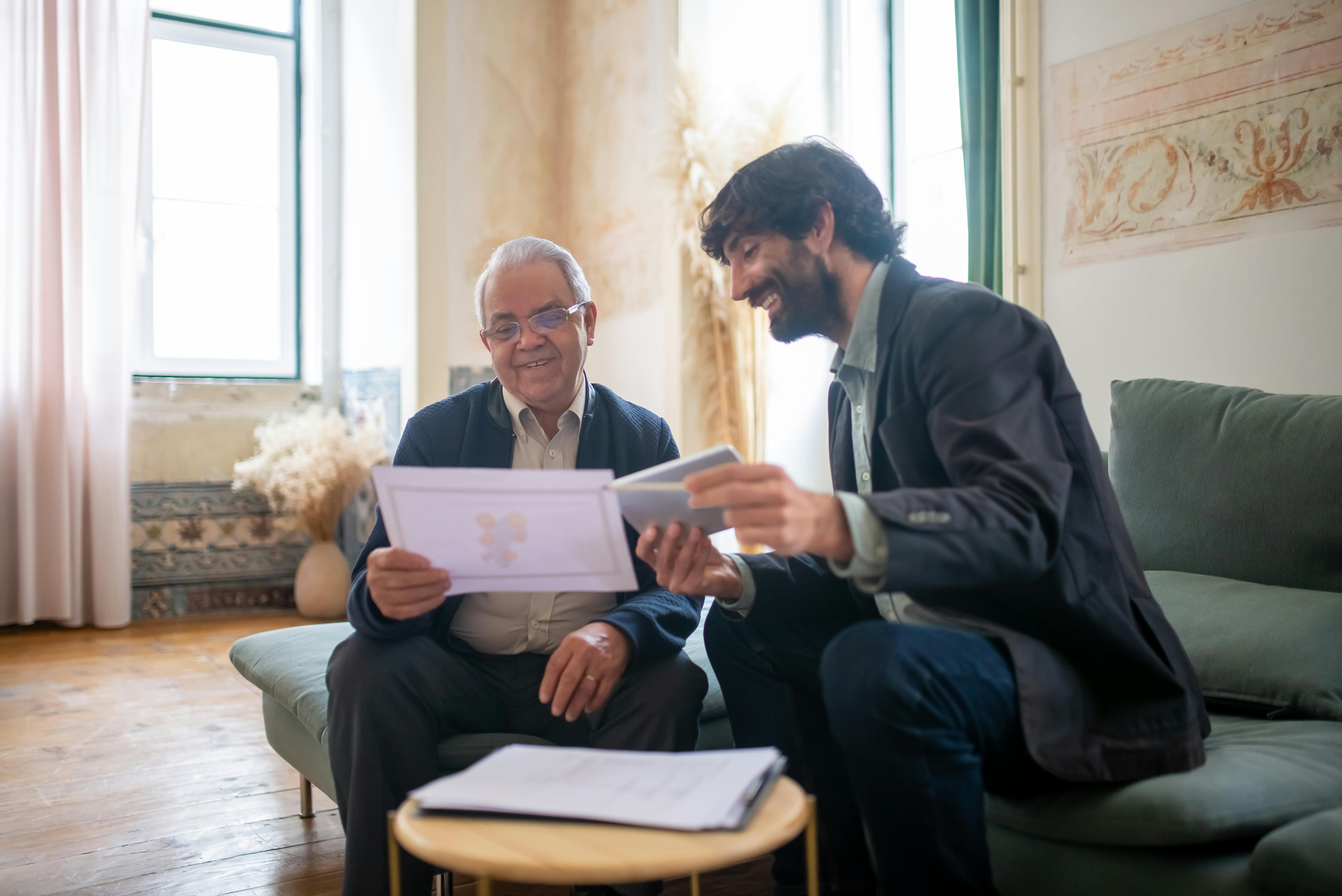
- Mentorship Programs: Pairing older and younger employees to exchange knowledge and skills.
- Team Projects: Encouraging collaboration across age groups to leverage diverse perspectives.
These approaches not only improve understanding between generations but also strengthen team dynamics. Find out more about this approach to enhance cross-generational collaboration.
Measuring Training Effectiveness
To ensure the success of multi-generational HR training programs, it’s important to measure their effectiveness regularly. Consider the following methods:
- Feedback Surveys: Collect feedback from participants to gauge satisfaction and gather suggestions for improvement.
- Performance Metrics: Analyze performance data to assess the impact of training on employee productivity and engagement.
- Retention Rates: Monitor employee retention to understand the long-term benefits of training initiatives.
Regular assessment allows for continuous improvement and adaptation of training programs to meet evolving generational needs. Discover expert strategies here for effectively evaluating training outcomes.
By embracing the diversity of generational perspectives and tailoring training programs accordingly, organizations can create a harmonious and productive workplace. Multi-generational HR training not only enhances individual skills but also strengthens the overall organizational culture, paving the way for sustained success.