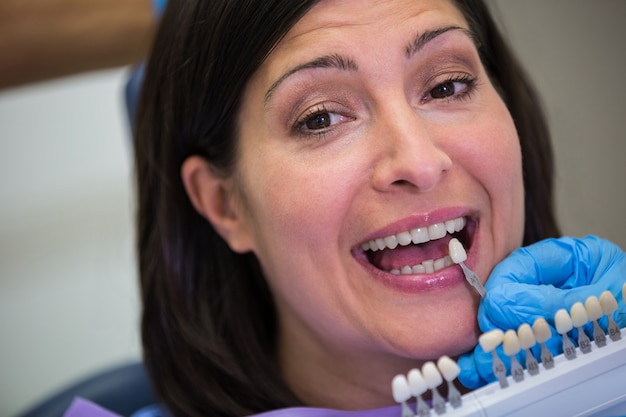
Dental crowns are a common restorative procedure in modern dentistry, designed to improve the function and appearance of damaged or decayed teeth. With various types of dental crowns available, choosing the right one can be daunting. This guide aims to provide a comprehensive overview of the different types of dental crowns, their benefits, and considerations to help individuals make informed decisions about their dental health.
Types of Dental Crowns
1. Porcelain Crowns
Porcelain crowns are popular for their natural appearance and are often used for front teeth. They provide a translucent look that mimics natural enamel, making them an excellent choice for cosmetic purposes.
- Advantage: Aesthetic appeal due to their natural look.
- Consideration: May not be as durable as other materials for back teeth.
- Use Case: Ideal for restoring visible teeth where appearance is a priority.
For those interested in the aesthetic benefits of porcelain crowns, discover expert strategies here for achieving a natural look.
2. Ceramic Crowns
Ceramic crowns are similar to porcelain crowns but made entirely of ceramic material. They offer excellent aesthetics and are highly resistant to wear.
- Advantage: Strong and wear-resistant.
- Consideration: More expensive compared to other options.
- Use Case: Suitable for individuals with metal allergies.
Learn about our tailored solutions for ceramic crowns that blend seamlessly with your natural teeth.
3. Metal Crowns
Metal crowns, often made from gold or other metal alloys, are known for their durability and strength. They are typically used for molars where cosmetic appearance is less of a concern.
- Advantage: Extremely durable and can withstand strong biting forces.
- Consideration: Less aesthetic appeal due to metallic color.
- Use Case: Best suited for out-of-sight molars.
For further insights, explore advanced guides and tips on choosing the right material for your needs.
4. Porcelain-Fused-to-Metal (PFM) Crowns
PFM crowns offer a combination of the durability of metal and the aesthetic appeal of porcelain. They are a versatile option for both front and back teeth.
- Advantage: Strong foundation with a natural-looking porcelain exterior.
- Consideration: The metal base can sometimes show as a dark line at the gum line.
- Use Case: A balance of strength and aesthetics.
Find out more about this approach by visiting our comprehensive resource page.
Factors to Consider When Choosing a Dental Crown
When selecting the type of dental crown, several factors should be considered:
- Cost: The price varies by material, with metal crowns generally being the least expensive and ceramic crowns the most costly.
- Durability: Consider how long the crown needs to last and the location in the mouth.
- Aesthetics: If appearance is a priority, porcelain or ceramic crowns may be preferred.
- Allergies: Metal allergies can influence the choice, making ceramic crowns a safer option.
Choosing the right dental crown requires careful consideration of these factors. For personalized guidance, explore advanced guides and tips on making an informed decision.
Conclusion
Dental crowns play a crucial role in modern dentistry, offering both functional and aesthetic benefits. Understanding the various types of crowns and their unique advantages can help individuals make the best choice for their dental health. Whether prioritizing aesthetics, durability, or cost, there is a dental crown option to meet every need. For those seeking expert advice, learn about our tailored solutions to find the most suitable crown type.