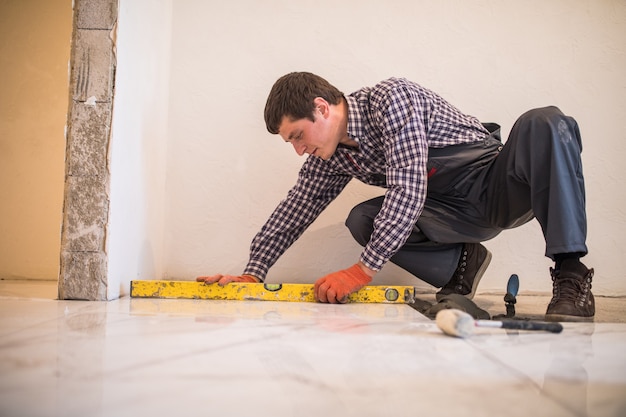
In the realm of home maintenance, ensuring that the basement remains dry and free of water-related issues is a critical concern. Basements are prone to water infiltration, which can lead to significant structural damage, mold growth, and a host of other problems if not addressed swiftly and effectively. Comprehensive interior basement waterproofing solutions provide an essential line of defense against these potential hazards. With a variety of techniques and technologies available, homeowners can secure their basements against water ingress and maintain the integrity and value of their homes.
Understanding the Causes of Basement Water Problems
Before delving into solutions, it?s crucial to understand the common causes of basement water issues. These can include:
- Poor drainage systems leading to water accumulation around the foundation.
- Cracks in the walls and floors through which water can seep.
- High water tables leading to hydrostatic pressure.
- Improperly installed or malfunctioning sump pumps.
Identifying the root cause of water infiltration is the first step towards implementing a successful waterproofing strategy. Discover expert strategies here for diagnosing these issues effectively.
Interior Basement Waterproofing Methods
Several methods can be employed to waterproof the interior of a basement. These methods are designed to address specific issues and prevent water from entering the living space.
Sealants and Epoxy Injections
Sealants and epoxy injections can be effective in repairing minor cracks and leaks in basement walls and floors. These materials are applied directly to the affected areas, creating a water-tight seal that prevents further infiltration. This solution is typically used for non-structural cracks and is a cost-effective method for minor water issues. Learn about our tailored solutions for crack repair and sealing techniques.
Interior Drainage Systems
Interior drainage systems are a more comprehensive approach to managing water that enters the basement. These systems typically involve installing a drainage channel along the perimeter of the basement floor, which directs water to a sump pump. The pump then removes the water from the basement, preventing accumulation and potential damage.
Key benefits of interior drainage systems include:
- Effective management of water from hydrostatic pressure.
- Reduced risk of mold and mildew growth.
- Minimal disruption to the home?s exterior landscaping.
Explore advanced guides and tips on selecting and installing the right interior drainage system for your home.
Basement Dehumidifiers
While not a direct waterproofing method, dehumidifiers play a vital role in controlling moisture levels within the basement. By removing excess humidity, dehumidifiers help prevent mold growth and improve overall air quality. This is especially important in basements prone to dampness due to seasonal changes or geographical location.
Choosing the Right Solution
Determining the best interior basement waterproofing solution involves assessing the specific conditions of the basement and the extent of water exposure. Homeowners should consider factors such as:
- The presence and severity of existing water issues.
- The age and condition of the home?s foundation.
- Local climate and typical weather patterns.
Consulting with a waterproofing specialist can provide valuable insights and recommendations tailored to the unique needs of the home. Find out more about this approach by connecting with experts who can guide the decision-making process.
Conclusion
Comprehensive interior basement waterproofing solutions are essential for maintaining a dry, safe, and healthy living environment. By understanding the causes of water issues and exploring a range of effective solutions, homeowners can protect their basements from water damage and preserve the structural integrity of their homes. For further guidance and expert advice, visit this comprehensive resource to explore available options and strategies tailored to individual needs.