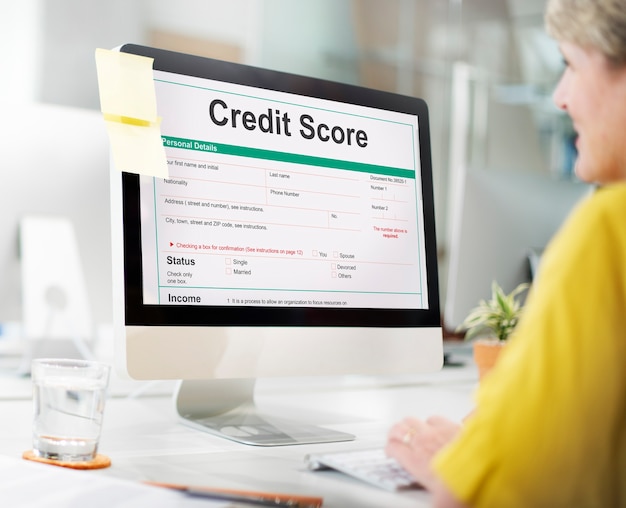
Understanding and improving your financial health is a crucial step towards achieving economic stability and peace of mind. A vital component of this process is analyzing your credit report. This document not only provides a detailed history of your financial behavior but also influences your ability to obtain loans, credit cards, and even housing. By effectively analyzing your credit report, you can identify areas for improvement, rectify inaccuracies, and ultimately enhance your credit score. This article delves into the importance of credit report analysis and offers guidance on how to leverage this tool for better financial health.
The Importance of Credit Report Analysis
Credit report analysis plays a critical role in managing your financial health. Here are some key reasons why it is important:
- Identify Errors: Mistakes in your credit report can significantly impact your credit score. Regular analysis helps in spotting and correcting these errors promptly.
- Understand Credit Behavior: Reviewing your report gives insight into your spending habits, helping you make informed decisions to improve your financial management.
- Prepare for Major Financial Decisions: Whether buying a house or starting a business, knowing your credit standing is essential for obtaining favorable loan terms.
To delve deeper into strategies for credit report analysis, discover expert strategies here.
Steps to Analyze Your Credit Report
Conducting a thorough analysis of your credit report involves several steps. Here”?s a structured approach to get you started:
Obtain Your Credit Report
You are entitled to one free credit report annually from each of the three major credit bureaus: Experian, TransUnion, and Equifax. Here”?s how to make the most of them:
- Order your reports at different times throughout the year to monitor changes and updates.
- Ensure that the information across all reports is consistent.
Review Your Credit Information
Once you have your reports, focus on these key areas:
- Personal Information: Verify that your name, address, and social security number are correct.
- Account History: Check the account status, payment history, and balances for each account.
- Credit Inquiries: Review the list of entities that have accessed your credit information.
For more detailed guidance on this process, learn about our tailored solutions.
Rectifying Errors and Improving Your Credit Score
After identifying discrepancies, the next step is to address them. Here are some actions you can take:
- Dispute Inaccuracies: Contact the credit bureau to dispute errors. Provide documentation to support your claims.
- Pay Down Debt: Reduce your credit utilization ratio by paying off outstanding debts.
- Make Timely Payments: Ensure future payments are made on time to prevent further negative impacts on your score.
Explore advanced guides and tips here to enhance your credit management skills.
Leveraging Professional Assistance
Sometimes, seeking professional help can expedite the process of improving your credit health. Professionals can offer tailored strategies that align with your financial goals. Find out more about this approach and consider how expert assistance can benefit your financial journey.
Before making a decision, it”?s beneficial to hear from those who have already embarked on this path. See what others are saying about us to understand the impact professional credit report analysis can have.
Conclusion
Improving your financial health through credit report analysis is a strategic move towards a more secure and informed financial future. By understanding the components of your credit report and actively working to rectify inaccuracies, you can enhance your credit score and open doors to better financial opportunities. Whether independently or with professional assistance, the journey to financial wellness begins with a single step: analyzing your credit report. Harness the power of this tool and take control of your financial destiny today.