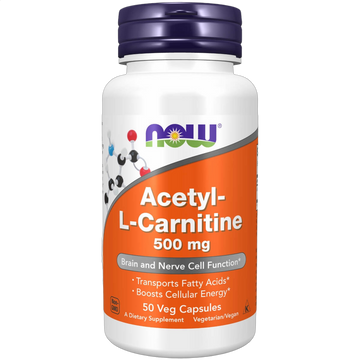
L-Carnitine has become a staple in the UK supplement market, valued for its role in fatty-acid transport and energy metabolism. As consumers become more health-conscious, the demand for high-quality, compliant products has risen sharply. This overview examines the current availability of L-carnitine, the quality standards applied by manufacturers, and the regulatory framework that shapes the market. By understanding these elements, retailers, formulators, and end-users can make informed decisions that align with both performance goals and legal obligations.
Market Availability and Distribution Channels
The UK sees L-carnitine offered through a variety of channels, each catering to distinct consumer segments:
- Online retailers: E-commerce platforms dominate sales, providing a wide range of dosages and formulations, from capsules to powders.
- Health-food stores: Brick-and-mortar shops stock premium brands that often emphasize natural sourcing.
- Pharmacies: Over-the-counter options are typically positioned as therapeutic aids for metabolism support.
- Sports nutrition outlets: Products are marketed toward athletes seeking performance-related benefits.
For a curated selection of UK-compliant L-carnitine products, Discover expert strategies here offers a comprehensive catalogue that reflects current market trends.
Quality Assurance Practices
Manufacturing Standards
Reputable manufacturers adhere to stringent quality protocols to ensure product integrity:
- GMP (Good Manufacturing Practice) certification across production facilities.
- Third-party testing for purity, potency, and absence of contaminants such as heavy metals.
- Transparent labeling that includes exact L-carnitine content per serving.
Ingredient Sourcing
High-quality L-carnitine is typically derived from one of two sources:
- Synthetic production: Offers consistent purity levels and is widely used in large-scale manufacturing.
- Fermentation-derived: Utilises natural substrates and appeals to consumers seeking “clean-label” options.
Guidance on selecting products that meet rigorous standards can be found at Learn about our tailored solutions, where sourcing information is highlighted for each item.
Regulatory Landscape in the United Kingdom
Regulation of dietary supplements, including L-carnitine, is overseen by several bodies:
- Food Standards Agency (FSA): Sets safety thresholds and monitors adverse event reporting.
- MHRA (Medicines and Healthcare products Regulatory Agency): Determines whether a product is classified as a supplement or a medicinal product.
- Trading Standards: Enforces labeling accuracy, nutritional claims, and advertising compliance.
Key regulatory points to consider:
- Maximum permitted daily intake for L-carnitine is generally aligned with EFSA recommendations (up to 2″?g per day for adults).
- Health claims must be substantiated by scientific evidence and approved by the FSA.
- Allergen information and ingredient lists must be presented in a clear, legible format.
For a deeper dive into compliance considerations, Explore advanced guides and tips provides up-to-date regulatory insights.
Consumer Trends Shaping Demand
Recent consumer behavior has highlighted several drivers behind the growing popularity of L-carnitine:
- Fitness optimisation: Athletes and gym-goers seek the compound for its potential to improve endurance and reduce fatigue.
- Weight-management support: Diet-focused consumers view L-carnitine as a metabolic enhancer.
- Age-related health: Older adults explore L-carnitine for cardiovascular and mitochondrial health benefits.
Market data suggests a steady 8-10″?% annual growth rate for L-carnitine supplements, driven largely by online sales channels.
Choosing the Right Product: Practical Checklist
When evaluating L-carnitine options, consider the following checklist to ensure alignment with quality, safety, and efficacy expectations:
- Verify GMP certification and third-party testing results.
- Confirm the source (synthetic vs. fermentation) matches the target market’s preferences.
- Check dosage recommendations against the latest EFSA guidance.
- Review labeling for clear ingredient disclosure and allergen statements.
- Assess the credibility of health claims and supporting scientific references.
For a ready-made selection that meets these criteria, Find out more about this approach and explore products that have undergone rigorous testing.
Future Outlook
The UK L-carnitine market is poised for continued expansion, with several trends likely to influence its trajectory:
- Personalised nutrition: Integration of L-carnitine into bespoke supplement regimens based on genetic and metabolic profiling.
- Sustainability focus: Increased demand for eco-friendly packaging and responsibly sourced ingredients.
- Scientific validation: Ongoing clinical research may unlock new therapeutic applications, prompting regulatory updates.
Staying abreast of these developments will enable stakeholders to maintain competitive advantage while adhering to the highest standards of product quality and regulatory compliance.