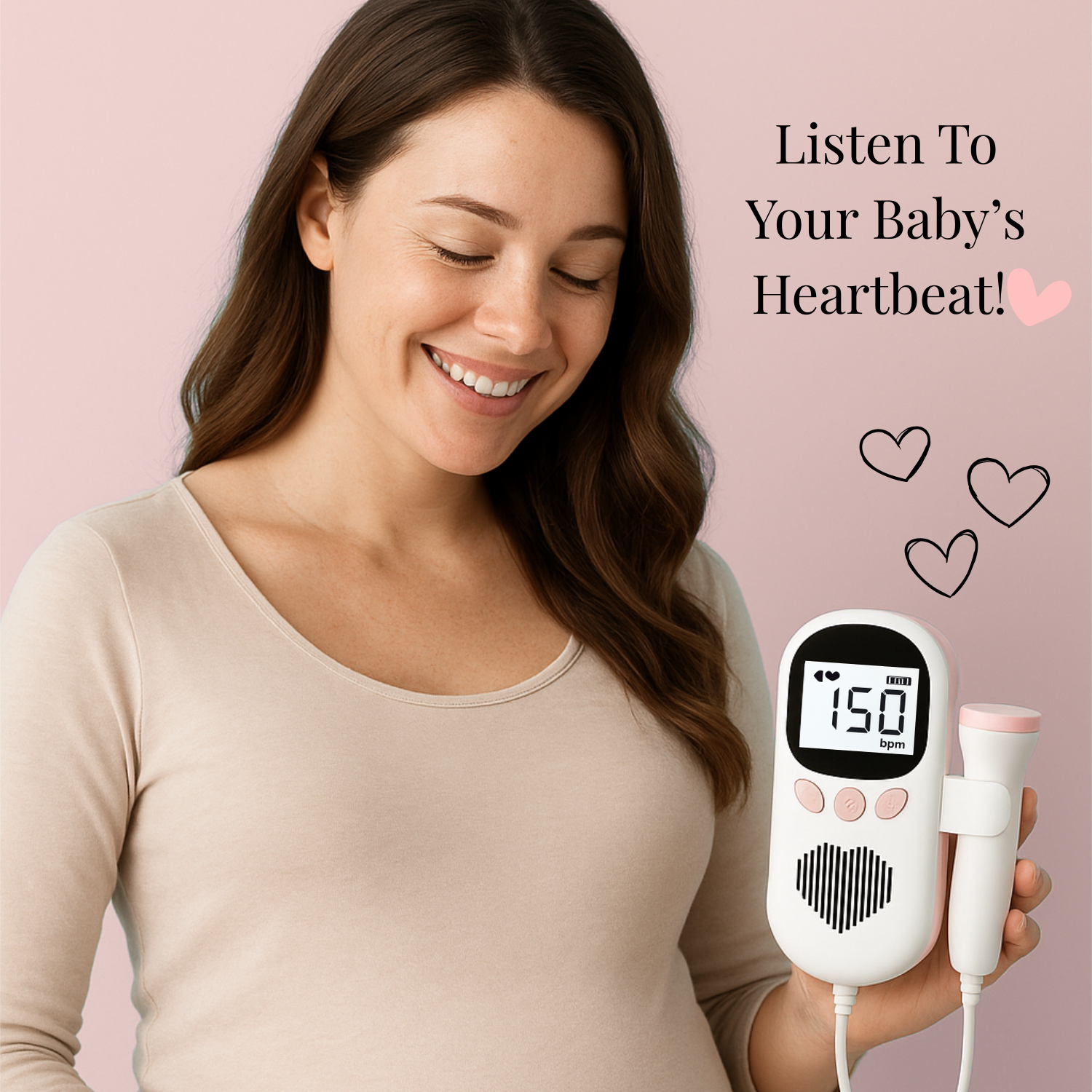
Expecting a new life brings a mix of excitement, curiosity, and a natural desire to stay connected with the tiny heartbeat growing inside. Modern technology now allows parents to listen to their baby’s heart rate from the comfort of home, providing reassurance and a deeper bond during pregnancy. Understanding how to monitor the fetal heartbeat safely, what the readings mean, and when to seek professional advice can empower expectant families and enhance the prenatal experience.
Why Use a Home Heart Doppler?
Listening to a fetal heartbeat outside of a clinical setting offers several benefits:
- Emotional reassurance: Hearing the rhythmic thump can reduce anxiety and increase confidence in the pregnancy’s progress.
- Early detection of issues: While not a diagnostic tool, regular checks can help parents notice significant changes that warrant a medical review.
- Bonding opportunity: Sharing the sound with partners, siblings, or friends creates a memorable moment that strengthens family connections.
For those interested in a reliable device, the home heartbeat doppler is designed specifically for expectant mothers, offering clear audio and user-friendly features.
How a Doppler Works
A fetal Doppler uses ultrasound technology to detect the motion of the baby’s heart. The device emits high-frequency sound waves that bounce off the moving blood cells, and the reflected waves are translated into audible heartbeats.
Key Components
- Transducer head: The part placed on the abdomen that sends and receives ultrasound waves.
- Display screen: Shows the heart rate in beats per minute (BPM) and may provide a visual waveform.
- Power source: Most modern models are rechargeable, ensuring consistent performance throughout pregnancy.
Preparing for a Home Monitoring Session
Successful listening requires a calm environment and proper technique. Follow these steps before turning on the device:
- Choose a quiet room where background noise is minimal.
- Warm the transducer head by rubbing it with a small amount of ultrasound gel or a water-based lubricant.
- Lie on your back with a pillow under your knees, or sit slightly reclined; this relaxes abdominal muscles.
- Make sure the device is fully charged or connected to a power source.
Finding the Baby’s Heartbeat
Locating the fetal heartbeat can take a few minutes, especially in early pregnancy. Here’s a practical approach:
- Apply a thin layer of gel to the transducer.
- Place the transducer just above the belly button and move it slowly outward in a circular motion.
- Listen for a “whoosh” sound as the device sweeps across the uterus; the heartbeat usually follows.
- When you hear a steady “lub-dub” rhythm, note the BPM displayed on the screen.
Typical fetal heart rates range from 110 to 160 BPM. Variations are normal, but a sudden drop below 100 BPM or a consistent rate above 180 BPM should prompt a call to a healthcare provider.
Interpreting the Results
Understanding what the numbers mean helps parents stay informed without causing unnecessary alarm:
- Normal range: 110-160 BPM for most of the pregnancy.
- Early pregnancy (8-12 weeks): Rates may be slightly higher, often 140-170 BPM.
- Third trimester: Slightly lower rates, sometimes 120-150 BPM, are typical.
If the reading falls outside these ranges, it does not automatically indicate a problem. Factors such as maternal activity, stress, or even the position of the baby can affect the measurement. Always discuss irregular findings with a qualified practitioner.
Safety Considerations
While home Doppler devices are generally safe, responsible use is essential:
- Limit sessions to 5-10 minutes per day to avoid excessive exposure to ultrasound energy.
- Never use the device on a broken or irritated abdomen.
- Do not rely on the Doppler as a substitute for routine prenatal appointments.
- Consult a healthcare professional before using the device if you have a high-risk pregnancy.
Choosing the Right Device
When selecting a heart doppler for pregnancy, consider the following criteria:
- Audio clarity: Clear, amplified sound makes it easier to detect the heartbeat.
- Ease of use: Simple controls and an intuitive interface reduce learning time.
- Battery life: Long-lasting power ensures the device is ready whenever needed.
- Portability: A lightweight design allows use at home or while traveling.
Integrating Doppler Use into Prenatal Care
Home monitoring should complement, not replace, professional care. Here’s how to incorporate it responsibly:
- Schedule regular check-ups with your obstetrician or midwife.
- Share your Doppler readings during appointments for a comprehensive view of fetal health.
- Use the device as a bonding tool rather than a diagnostic instrument.
- Keep a simple log of dates, times, and BPM readings to track trends over weeks.
Conclusion
Listening to a baby’s heartbeat at home can transform the pregnancy journey, offering reassurance, excitement, and a deeper emotional connection. By selecting a reliable home heartbeat doppler, following proper preparation steps, and interpreting results within the normal fetal heart rate ranges, expectant parents can safely enjoy this technology. Always prioritize professional medical advice and use the device responsibly to ensure both mother and baby remain healthy throughout the pregnancy.