Windows are a pivotal aspect of residential architecture, offering more than just aesthetic appeal. They serve as the gateway for natural light, a source of ventilation, and a barrier against external elements. Choosing the right window solutions for a home involves understanding different styles, materials, and functional benefits. By selecting the appropriate windows, homeowners can enhance energy efficiency, improve indoor comfort, and increase property value. Comprehensive guides and expert advice are available to assist in making informed decisions.
Types of Residential Windows
Selecting the right type of window is essential and can be highly dependent on the architectural style and functional needs of the home. Here are some popular window types:
- Single-Hung and Double-Hung Windows: These classic styles are easy to operate, with double-hung windows allowing both sashes to move up and down, offering better ventilation.
- Casement Windows: Hinged at the side, these windows open outward, providing excellent ventilation and unobstructed views.
- Awning Windows: Hinged at the top, they open outward, protecting against rain while allowing air flow.
- Sliding Windows: Ideal for rooms with limited space, these windows glide horizontally along a track.
- Bay and Bow Windows: Extending outward, these windows create additional space and offer panoramic views.
Each window type has distinct advantages, catering to specific needs and preferences. To explore advanced guides and tips on choosing the right option, find out more about this approach.
Materials and Energy Efficiency
The material used in window frames significantly affects durability, maintenance, and energy efficiency. Common materials include:
- Vinyl: Known for its affordability and low maintenance, vinyl is a popular choice for energy-efficient solutions.
- Wood: Offers a classic, natural aesthetic with good insulation properties but requires regular maintenance.
- Aluminum: Lightweight and durable, ideal for modern designs, but less insulative than other materials.
- Fiberglass: Combines strength and energy efficiency, mimicking the appearance of wood without the upkeep.
Energy-efficient windows are crucial for reducing heating and cooling costs. Features such as double or triple glazing, low-emissivity coatings, and gas fills enhance insulation. To learn about tailored solutions for energy efficiency, discover expert strategies here.
Customization and Design Considerations
Customization allows homeowners to tailor windows to fit the specific design and functionality needs of their homes. Consider these factors:
- Size and Shape: Non-standard sizes or shapes can make a statement and fit unique architectural designs.
- Color and Finish: Choose from a range of colors and finishes to complement interior and exterior decor.
- Hardware and Grilles: Select hardware styles and grille patterns that align with personal style and home aesthetics.
For more insights on customizing window solutions, explore advanced guides and tips.
Installation and Maintenance
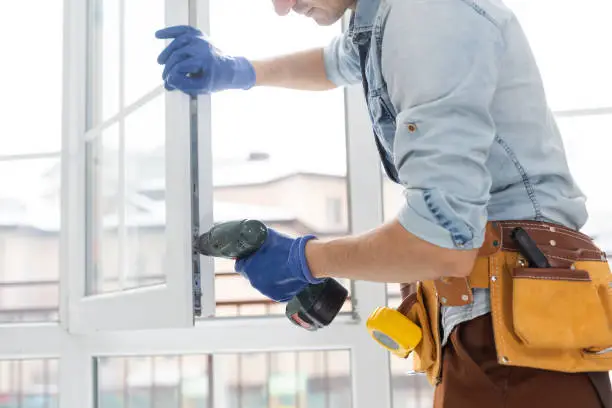
Proper installation is paramount to ensuring windows function correctly and last longer. Professional installation minimizes potential issues, ensuring windows are sealed and aligned properly.
- Professional Expertise: Engaging experienced professionals ensures compliance with local building codes and standards.
- Regular Maintenance: Routine cleaning and inspection can prevent wear and prolong the life of windows.
- Repairs and Upgrades: Addressing minor repairs promptly and considering upgrades can enhance functionality and energy efficiency.
To learn about efficient installation practices and maintenance strategies, learn about our tailored solutions.