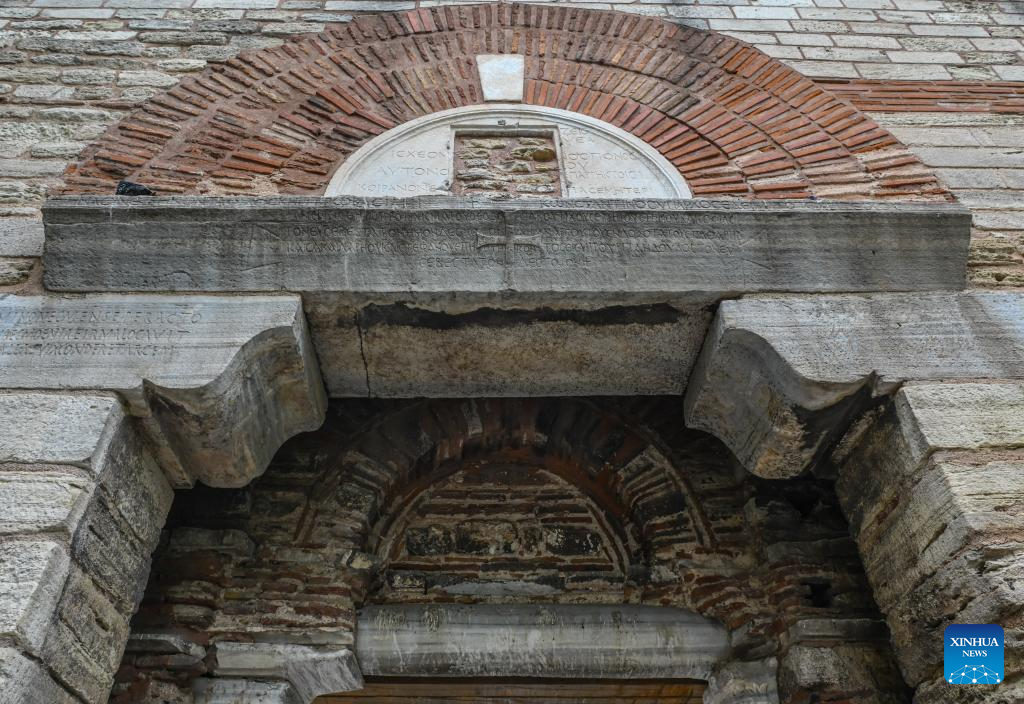
Heritage restoration is a vital practice that breathes new life into historical structures, preserving the cultural and architectural heritage for future generations. It is more than just a conservation effort; it is a bridge connecting the past with the present. Restoring heritage buildings not only honors the craftsmanship of yesteryears but also serves as a catalyst for community revitalization. By maintaining these historical sites, communities can experience economic, social, and cultural benefits that enhance their overall well-being.
The Economic Impact of Heritage Restoration
Revitalizing heritage properties can lead to significant economic growth for communities. Restoration projects often require skilled labor, which creates job opportunities and stimulates local economies. Moreover, restored sites can attract tourism, providing a steady stream of revenue for local businesses.
- Boosts local employment through job creation in construction and related fields.
- Increases property values in surrounding areas, encouraging further investment.
- Enhances tourism, drawing visitors who contribute to the local economy.
For those interested in maximizing economic benefits, discover expert strategies here.
Social and Community Benefits
Heritage restoration fosters a sense of pride and unity within communities. By preserving historical landmarks, residents can connect with their shared history, strengthening community identity and cohesion. These projects often become focal points for community gatherings and cultural events.
Community Engagement and Education
Restoration initiatives often engage local communities, offering educational opportunities and fostering a deeper understanding of cultural heritage. This involvement can lead to increased public support and appreciation for preservation efforts.
- Encourages community participation and volunteerism.
- Provides educational programs that teach historical and architectural significance.
- Promotes intergenerational dialogue by involving diverse age groups.
Learn about our tailored solutions to enhance community engagement by visiting this page.
Cultural Preservation and Identity
Heritage sites are tangible links to the past, offering insights into the cultural and historical narratives of a community. Preserving these sites ensures that future generations can access these cultural touchstones, enriching their understanding of the past.
- Maintains cultural diversity and heritage.
- Preserves architectural styles unique to specific historical periods.
- Strengthens local identity and pride.
To explore advanced guides and tips on cultural preservation, click here.
Environmental Advantages
Heritage restoration aligns with sustainable practices, as it typically involves the conservation of existing materials and structures. This reduces the environmental impact associated with demolition and new construction.
- Reduces waste by utilizing existing materials.
- Promotes sustainable use of resources.
- Encourages energy efficiency improvements in older buildings.
Find out more about this approach to sustainability at this link.
Conclusion
Heritage restoration is a multifaceted endeavor that benefits communities economically, socially, culturally, and environmentally. By investing in the preservation of historical sites, communities can foster a sense of identity and pride, while also reaping tangible economic and environmental rewards. Engaging in these projects not only honors the past but also builds a more vibrant and sustainable future. For those interested in the intricacies of heritage restoration, explore more resources here.