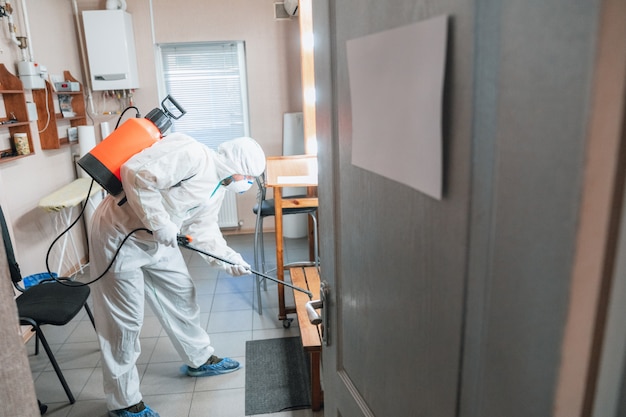
In the realm of environmental safety and health, ensuring that spaces are properly remediated and verified post-remediation is critical. Spokane, a city that’s keen on maintaining its natural beauty and health standards, places a strong emphasis on trusted post-remediation verification services. This process ensures that areas previously affected by mold, asbestos, or other contaminants are safe for normal use. In this context, post-remediation verification is not only a necessity but a critical component of environmental management strategies.
Understanding Post Remediation Verification
Post-remediation verification involves an intensive process aimed at ensuring that previously contaminated areas have been adequately cleaned and restored to safe conditions. This verification process is essential for several reasons:
- It confirms that remediation efforts were successful and that the environment is safe for occupancy.
- It helps in meeting regulatory compliance and standards.
- It provides peace of mind to property owners and occupants.
For those interested in the detailed methodologies of post-remediation verification, discover expert strategies here.
Key Components of Effective Verification
Visual Inspection
A thorough visual inspection is the first step in post-remediation verification. During this stage, trained professionals assess the site to ensure that no visible signs of contamination remain. Any remaining debris or signs of mold could indicate that further remediation is necessary.
Air Quality Testing
Once the visual inspection is complete, air quality testing is often conducted to detect any remaining airborne contaminants. This step is crucial as some contaminants are not visible to the naked eye but can still pose significant health risks. Learn about our tailored solutions for maintaining optimal indoor air quality.
Surface Sampling
Surface sampling involves collecting samples from various areas within the remediated site to test for the presence of any remaining contaminants. This allows for a comprehensive assessment of the site’s safety and cleanliness.
Why Spokane Relies on Expertise
Spokane’s commitment to maintaining a healthy environment is reflected in its stringent standards for post-remediation verification. This process is trusted to qualified professionals who are well-versed in the latest techniques and technologies. Spokane’s approach includes:
- Utilizing advanced equipment and methodologies to ensure thorough verification.
- Adhering to local and national safety standards to maintain compliance.
- Providing detailed reports that document the verification process and outcomes.
For those looking to implement or understand these rigorous standards in Spokane, find out more about this approach.
The Benefits of Trusted Verification
The advantages of engaging in trusted post-remediation verification are manifold:
- Ensures the health and safety of occupants by confirming the absence of harmful contaminants.
- Enhances property value by certifying that it is free from environmental hazards.
- Prevents potential liability issues that could arise from inadequate remediation.
Property owners and managers interested in maximizing these benefits can explore advanced guides and tips on post-remediation strategies.
Conclusion
In Spokane, the pursuit of health and safety in living and working environments remains a top priority. Trusted post-remediation verification is a critical process that ensures spaces are safe, compliant, and conducive to occupant well-being. By understanding and implementing effective verification strategies, Spokane continues to uphold its reputation as a city that values both its natural and built environments. For further insights and information on these practices, explore advanced guides and tips that align with Spokane’s commitment to excellence in environmental safety.


