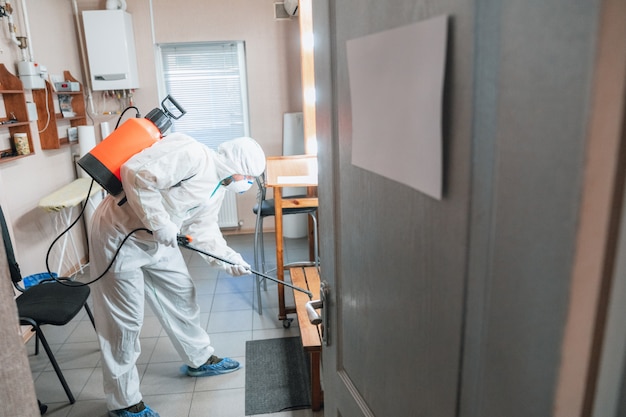
Water damage can strike unexpectedly, leaving homes and businesses in disarray and causing significant distress. In such critical times, having access to trusted water restoration services nearby is essential for mitigating damage efficiently and restoring normalcy. These services provide not only immediate relief but also long-term solutions to ensure that properties are safeguarded against future incidents.
Understanding Water Restoration Services
Water restoration services encompass a range of specialized activities designed to address the aftermath of water-related incidents, such as floods, leaks, or burst pipes. These services are crucial for:
- Removing excess water from affected areas promptly.
- Ensuring thorough drying and dehumidifying to prevent mold growth.
- Restoring damaged structures and materials to their original state.
- Providing guidance and support through the insurance claim process.
Discover expert strategies here for dealing with various types of water damage effectively.
Choosing the Right Water Restoration Service Provider
Key Considerations
When selecting a water restoration service, several factors should be considered to ensure the best possible outcome:
- Certification: Look for providers with certifications from recognized industry bodies, ensuring adherence to the highest standards.
- Experience: An experienced team will have the necessary skills to handle complex restoration projects efficiently.
- Availability: Water damage can occur at any time, so 24/7 availability is crucial for minimizing impact.
- Customer Reviews: Positive testimonials can provide insights into the reliability and quality of the service provider.
- Advanced Equipment: Utilizing state-of-the-art technology can significantly enhance the efficiency of the restoration process.
Learn about our tailored solutions by visiting this page.
The Process of Water Damage Restoration
Initial Assessment and Inspection
The first step in any water restoration process is a thorough inspection and assessment of the affected areas. This involves identifying the source of the water damage, determining the extent of the damage, and developing a comprehensive plan for restoration.
Water Extraction and Drying
Once the initial assessment is complete, the next phase involves the removal of standing water using high-powered pumps and vacuums. Following this, industrial-grade dehumidifiers and air movers are deployed to ensure complete drying of the area, preventing mold and mildew growth.
Cleaning and Sanitizing
Post drying, professional cleaning and sanitizing are necessary to remove any contaminants and ensure the safety of the environment. This step also includes deodorizing to eliminate any unpleasant odors caused by stagnant water.
Restoration and Repairs
The final phase involves repairing and restoring affected structures and materials. This may include replacing drywall, flooring, and other structural elements to return the property to its pre-damage condition.
Explore advanced guides and tips for effective restoration here.
Preventing Future Water Damage
Prevention is a key component of comprehensive water restoration services. By implementing proactive measures, property owners can significantly reduce the risk of future incidents:
- Regular maintenance of plumbing systems to detect and repair leaks early.
- Installation of sump pumps and backflow valves to manage excess water.
- Ensuring proper drainage around the property to prevent water accumulation.
- Investing in water detection devices for early warning of potential issues.
Find out more about this approach and how to safeguard your property by visiting this link.