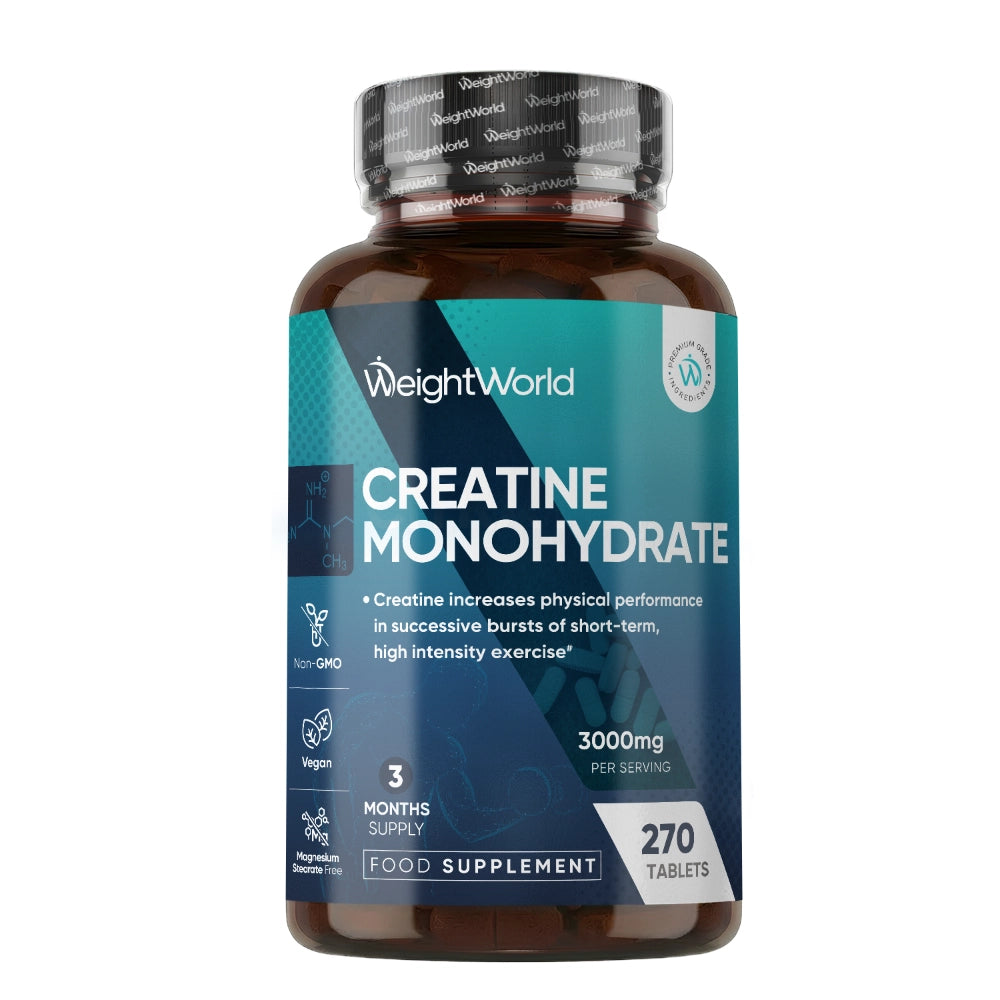
Creatine is one of the most researched and widely used supplements in the fitness world, prized for its ability to boost strength, power, and muscle volume. Whether you are a seasoned athlete, a casual gym-goer, or someone just beginning a resistance-training program, choosing the right creatine product can feel overwhelming. This guide breaks down the essential factors to consider, explains the different forms available, and offers practical recommendations so you can make an informed purchase that aligns with your goals, budget, and lifestyle.
Understanding How Creatine Works
Creatine functions as a rapid source of energy for high-intensity, short-duration activities. When you perform a heavy lift or sprint, your muscles rely on adenosine triphosphate (ATP) for fuel. Creatine phosphate helps regenerate ATP faster, allowing you to maintain peak performance for a few extra seconds. Over time, this translates into greater training volume, improved strength gains, and enhanced muscle recovery.
Key Factors to Evaluate Before Purchasing
1. Form of Creatine
The market offers several creatine variants, each with its own pros and cons. The most common and scientifically validated form is creatine monohydrate, which is typically the most cost-effective and reliable choice.
- Creatine Monohydrate: Proven efficacy, high purity, and the best value per gram.
- Micronized Creatine: Finer particles improve solubility and reduce the gritty texture some users dislike.
- Creatine HCl: Highly soluble, often marketed for those who experience stomach discomfort with monohydrate.
- Buffered Creatine (Kre-Alkalyn): Claims better stability at higher pH levels, though research is mixed.
2. Purity and Testing
Look for products that disclose third-party testing (e.g., Informed-Sport, NSF Certified for Sport). These certifications ensure the supplement is free from contaminants and contains the amount of creatine advertised on the label.
3. Dosage and Serving Size
Standard dosing protocols recommend a “loading phase” of 20″?g per day split into 4 doses for 5-7 days, followed by a maintenance dose of 3-5″?g daily. Many modern formulations provide a ready-to-use 5″?g serving, eliminating the need for a separate loading phase.
4. Flavor and Mixability
Creatine monohydrate is naturally flavorless, but some brands add flavors or sweeteners. If you prefer a plain powder to mix into shakes or water, choose an unflavored version. Micronized or HCl forms often dissolve more readily, reducing clumping.
5. Price per Serving
Calculate the cost per gram of creatine rather than per container. High-quality monohydrate typically ranges from $0.02-$0.05 per gram, making it the most economical option for long-term use.
How to Choose the Right Product for Your Needs
Matching the supplement to your personal preferences and training regimen helps you stay consistent. Consider the following scenarios:
- Budget-Conscious Athletes: Opt for bulk, unflavored creatine monohydrate with third-party testing.
- Those Sensitive to Stomach Discomfort: Micronized or creatine HCl may be gentler on the digestive system.
- Convenience Seekers: Pre-measured capsules or powders that dissolve quickly in water or a post-workout shake.
Practical Tips for Using Creatine Effectively
- Consistent Timing: Take your daily dose at the same time each day, post-workout with a carbohydrate-protein shake can enhance uptake.
- Stay Hydrated: Creatine draws water into muscle cells, so increase your fluid intake to support optimal performance.
- Cycle If Desired: While not required, some users prefer a 8-week on, 4-week off schedule to assess tolerance.
- Combine with Complementary Nutrients: Pairing creatine with whey protein or a modest amount of simple carbs (e.g., fruit juice) may improve muscle retention.
Where to Find Quality Creatine
When you’re ready to make a purchase, selecting a reputable retailer is essential. Reputable online stores often provide detailed product information, batch testing results, and clear return policies. For those looking to buy creatine from a source that emphasizes quality control and transparent labeling, a well-curated selection of monohydrate and micronized options is typically available.
Common Myths Debunked
Myth 1: Creatine Causes Kidney Damage
Extensive research shows that creatine supplementation does not impair kidney function in healthy individuals when taken at recommended doses. Routine health checks are still advisable for anyone with pre-existing kidney concerns.
Myth 2: You Must Load Creatine to See Benefits
Loading speeds up saturation of muscle stores, but a daily maintenance dose of 3-5″?g will eventually achieve the same levels within 3-4 weeks, making the loading phase optional.
Myth 3: All Creatine Supplements Are the Same
While the active ingredient (creatine) is identical, variations in purity, particle size, and added ingredients affect solubility, taste, and potential gastrointestinal tolerance.
Final Recommendations
Choosing the right creatine involves balancing scientific evidence, personal tolerance, and cost considerations. For most users, a high-purity, third-party tested creatine monohydrate, preferably micronized for better mixability, offers the best blend of effectiveness and value. Pair it with consistent training, adequate hydration, and a balanced diet to maximize the performance gains that creatine can deliver.
By following the guidelines outlined in this guide, you can confidently select a supplement that supports your strength goals, fits your budget, and aligns with your lifestyle. Remember, the most important factor is consistency, regular daily intake will ensure your muscles remain fully stocked with creatine, ready for every workout.