Vitamin”?C is a cornerstone of daily health, supporting immune function, collagen synthesis, and antioxidant protection. With a multitude of products on the market, selecting a supplement that aligns with individual needs can be daunting. This guide breaks down the essential criteria, bioavailability, dosage, form, and manufacturing standards, so readers can make an informed decision backed by scientific evidence and industry best practices.
Understanding Vitamin”?C and Its Role in the Body
Why Supplementation May Be Necessary
Even with a balanced diet, certain lifestyle factors can deplete vitamin”?C levels:
- High-intensity exercise or endurance training increases oxidative stress.
- Smoking and exposure to pollutants accelerate vitamin”?C turnover.
- Stress, illness, or chronic inflammation raise the body’s requirement.
When natural intake falls short, a well-formulated supplement helps restore optimal plasma concentrations. For a deeper dive into strategic supplementation, Discover expert strategies here.
Key Factors to Evaluate When Choosing a Vitamin”?C Supplement
- Bioavailability: Look for forms such as calcium ascorbate, sodium ascorbate, or liposomal encapsulation, which are absorbed more efficiently than plain ascorbic acid.
- Dosage Accuracy: Reliable products clearly label the amount of elemental vitamin”?C per serving and provide guidance on daily limits.
- Additive Profile: Minimal fillers, artificial colors, or unnecessary sugars reduce the risk of adverse reactions.
- Third-Party Testing: Certifications from independent labs (e.g., USP, NSF) confirm purity and potency.
- Form Factor: Gummies, capsules, powders, and effervescent tablets each have distinct absorption characteristics and user preferences.
For a curated selection that meets these criteria, Learn about our tailored solutions.
Common Forms of Vitamin”?C Supplements
- Traditional Ascorbic Acid: The most studied form; effective but may cause gastrointestinal discomfort at high doses.
- Buffered Vitamin”?C (Calcium or Sodium Ascorbate): Gentler on the stomach, suitable for those with sensitive digestion.
- Liposomal Vitamin”?C: Encapsulated in phospholipid vesicles, enhancing cellular uptake and reducing excretion.
- Effervescent Powders: Dissolve in water for rapid absorption and a pleasant taste.
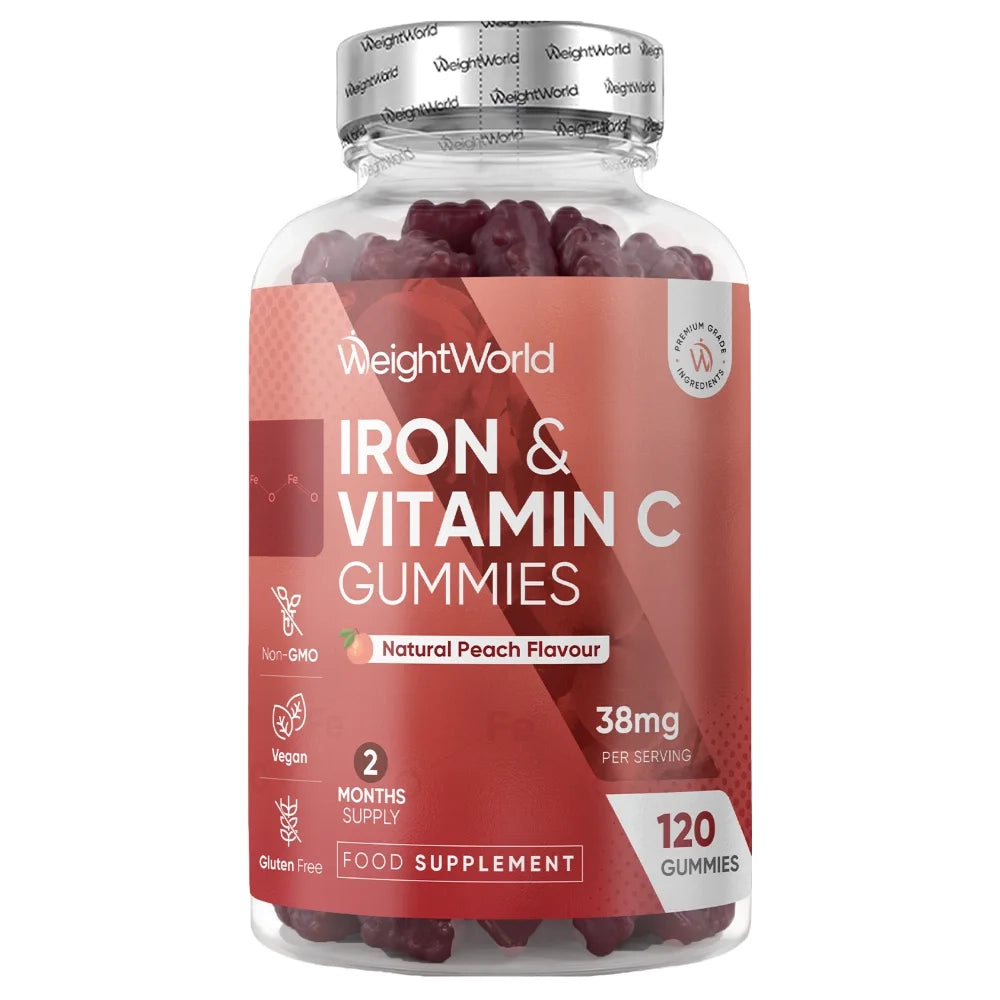
- Gummy Vitamins: Convenient for on-the-go use, though often contain added sugars.
To explore a range of formulations, Explore advanced guides and tips.
Dosage Recommendations and Safety Considerations
Recommended Dietary Allowances (RDAs) for vitamin”?C vary by age, gender, and physiological status. General adult guidelines suggest 75″?mg for women and 90″?mg for men, with higher intakes recommended for smokers (+35″?mg). Clinical research indicates that 200-500″?mg daily can support immune health without adverse effects for most individuals.
- Stay below the tolerable upper intake level (2,000″?mg/day) to avoid kidney stone formation and gastrointestinal upset.
- Split doses throughout the day to maintain steady plasma levels, especially when taking amounts above 500″?mg.
- Individuals with renal impairment or a history of oxalate stones should consult a healthcare professional before high-dose supplementation.
For a concise overview of safe dosing strategies, Find out more about this approach.
How to Verify Quality and Purity
Quality assurance goes beyond label claims. Consider the following verification steps:
- Check for batch-specific Certificates of Analysis (COA) that detail assay results and contaminant testing.
- Confirm that the manufacturer follows Good Manufacturing Practices (GMP) and is transparent about sourcing.
- Read independent customer reviews for real-world insights on taste, tolerability, and efficacy.
- Prefer products that disclose the exact form of vitamin”?C and any supporting ingredients, such as bioflavonoids, which can enhance absorption.
Conclusion
Choosing a good vitamin”?C supplement requires a balanced assessment of bioavailability, dosage, formulation, and third-party validation. By focusing on scientifically supported forms, adhering to safe intake thresholds, and confirming manufacturing integrity, consumers can confidently integrate vitamin”?C into their daily regimen. For a thoughtfully selected assortment that aligns with these principles, refer to the dedicated collection at https://www.weightworld.uk/collections/vitamin-c.