Building lean muscle efficiently requires more than just lifting weights and consuming enough calories. The right supplementation can accelerate protein synthesis, improve recovery, and enhance overall performance, allowing athletes and fitness enthusiasts to achieve their goals faster. This guide outlines the most scientifically backed supplements that support muscle hypertrophy, explains how each works, and provides practical tips for incorporating them into a training regimen. For deeper insight into comprehensive muscle-gaining programs, Discover expert strategies here.
Why Supplements Matter for Muscle Growth
While whole foods supply the essential macronutrients needed for muscle repair, supplements fill specific gaps that diet alone may miss. They can:
- Increase the availability of amino acids during and after workouts.
- Boost cellular energy to support higher training volumes.
- Reduce muscle soreness, enabling more frequent training sessions.
- Provide nutrients in highly bioavailable forms that are quickly absorbed.
Core Supplements Backed by Research
1. Creatine Monohydrate
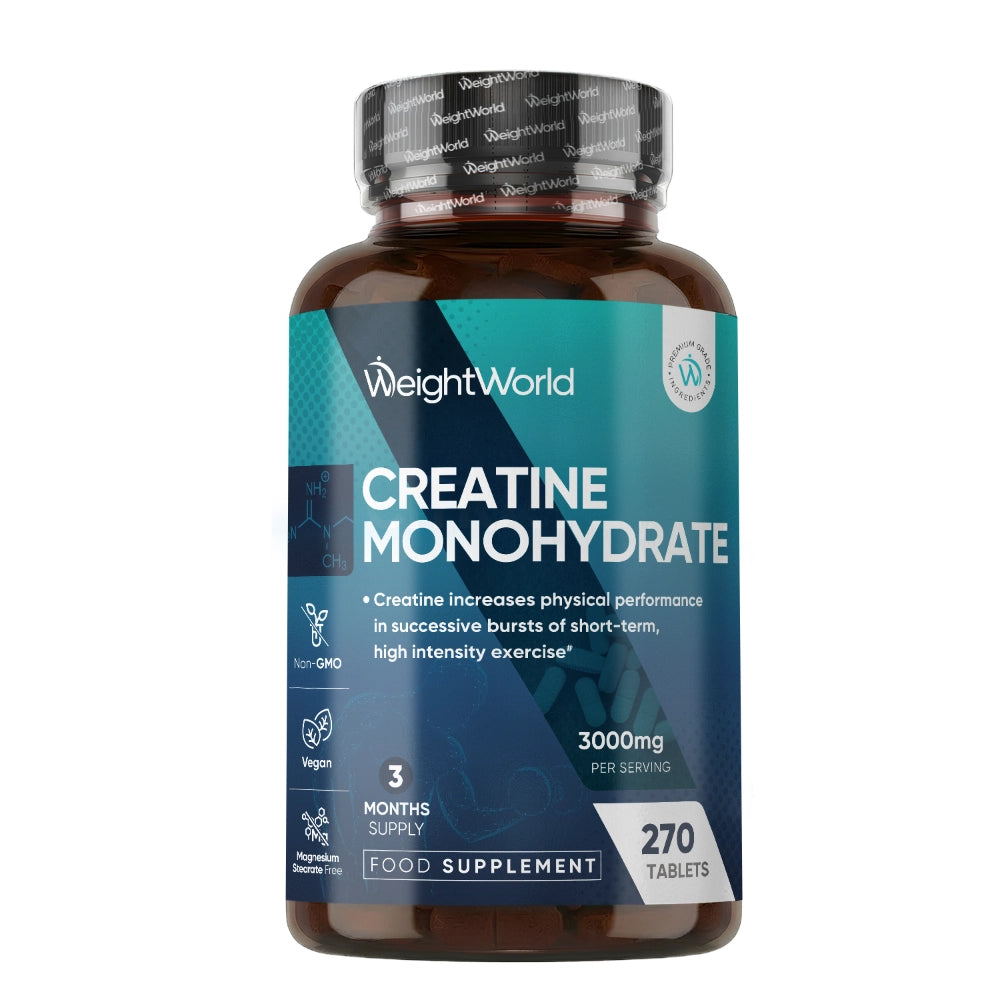
Creatine is the most studied performance supplement, known for its ability to increase phosphocreatine stores in muscle cells. This leads to greater ATP regeneration during short, high-intensity efforts such as weightlifting.
- Typical dose: 3-5″?g per day, taken with water or a carbohydrate-rich beverage.
- Benefits: Enhanced strength, increased training volume, and up to 2″?kg of lean mass gain over several weeks.
- Safety: Well-tolerated for most adults; staying hydrated is recommended.
For a curated selection of high-quality creatine products, Learn about our tailored solutions.
2. Whey Protein Isolate
Whey protein delivers a rapid influx of essential amino acids, particularly leucine, which is a primary trigger for muscle protein synthesis (MPS).
- Recommended intake: 20-30″?g within 30″?minutes post-workout.
- Advantages: Supports recovery, helps meet daily protein targets, and is convenient for on-the-go athletes.
- Choosing a product: Look for low-fat, low-lactose options with a high biological value.
Explore a range of whey isolates that align with rigorous training demands at Explore advanced guides and tips.
3. Branched-Chain Amino Acids (BCAAs)
BCAAs, leucine, isoleucine, and valine, play a direct role in reducing muscle protein breakdown during exercise.
- Dosage: 5-10″?g before or during workouts.
- Key point: Leucine content of at least 2″?g per serving maximizes the anabolic response.
- When to use: Particularly useful during calorie-restricted phases or long endurance sessions.
4. Beta-Alanine
Beta-alanine increases intramuscular carnosine, which buffers hydrogen ions and delays fatigue during high-intensity efforts.
- Typical dose: 2-5″?g per day, split into smaller portions to avoid paresthesia.
- Result: Improved performance in activities lasting 1-4 minutes, translating to more reps per set.
5. HMB (??-Hydroxy ??-Methylbutyrate)
HMB, a metabolite of leucine, helps protect muscle fibers from breakdown and may accelerate recovery.
- Suggested intake: 3″?g daily, divided into three doses.
- Ideal for: Beginners, older athletes, or anyone experiencing high training stress.
How to Stack Supplements Effectively
Combining supplements can amplify benefits, but timing and dosage matter. Consider the following stacking strategy:
- Pre-workout: Beta-alanine (2″?g) + BCAAs (5″?g).
- During workout: Creatine (3″?g) mixed in water.
- Post-workout: Whey protein isolate (30″?g) + creatine (additional 2″?g if not taken earlier).
- Evening or on rest days: HMB (3″?g) and a second serving of creatine.
Adhering to a consistent schedule ensures that muscles receive a steady supply of nutrients, maximizing hypertrophic signaling pathways.
Safety, Quality, and Choosing the Right Products
Not all supplements are created equal. Prioritize products that:
- Are third-party tested for purity (e.g., NSF, Informed-Sport).
- Contain transparent labeling with clear ingredient lists.
- Come from reputable manufacturers with a history of scientific research.
When selecting items, cross-reference independent reviews and verify that the formulation matches the dosages discussed in peer-reviewed studies.
Integrating Supplements with Nutrition and Training
Supplements should complement, not replace, a solid nutrition foundation. Follow these guidelines:
- Consume 1.6-2.2″?g of protein per kilogram of body weight daily.
- Maintain a slight caloric surplus (???250-500″?kcal) to support growth.
- Structure resistance training around progressive overload, targeting each muscle group 2-3 times per week.
- Track progress and adjust supplement dosages based on results and tolerance.
For a full program that aligns supplementation with periodized training, Find out more about this approach.
Conclusion
Optimizing muscle growth is a multifaceted process that blends disciplined training, balanced nutrition, and strategic supplementation. Creatine monohydrate, whey protein isolate, BCAAs, beta-alanine, and HMB represent the cornerstone supplements that have consistently demonstrated efficacy in scientific literature. By selecting high-quality products, timing intake around workouts, and integrating these nutrients within a well-structured diet and program, athletes can accelerate gains while minimizing recovery time. Continued education and evidence-based choices remain essential for long-term success.