Achieving noticeable muscle growth is a blend of disciplined training, proper nutrition, and strategic supplementation. While a solid workout routine lays the foundation, the right supplements can accelerate recovery, enhance protein synthesis, and support hormonal balance, key factors that differentiate modest gains from impressive transformations. This guide breaks down the most effective muscle-building supplements, explains how they work, and offers practical tips for integrating them into a balanced regimen.
Understanding the Role of Supplements in Muscle Hypertrophy
Supplements are not magic pills; they serve as nutritional shortcuts that fill gaps in a diet often difficult to meet through food alone. The primary objectives are to:
- Provide readily absorbable sources of protein and amino acids.
- Support energy production for intense training sessions.
- Mitigate muscle breakdown and accelerate recovery.
- Optimize hormonal environments conducive to muscle growth.
Core Supplements Every Serious Builder Should Consider
1. Whey Protein Isolate
Whey protein isolate (WPI) delivers a high concentration of essential amino acids, particularly leucine, which triggers the mTOR pathway, the central driver of muscle protein synthesis. Its rapid digestion makes it ideal post-workout.
- Dosage: 20-30″?g within 30″?minutes after training.
- Benefits: Quick muscle recovery, increased lean mass, and reduced muscle soreness.
- Tip: Choose a product with minimal additives and a clean label.
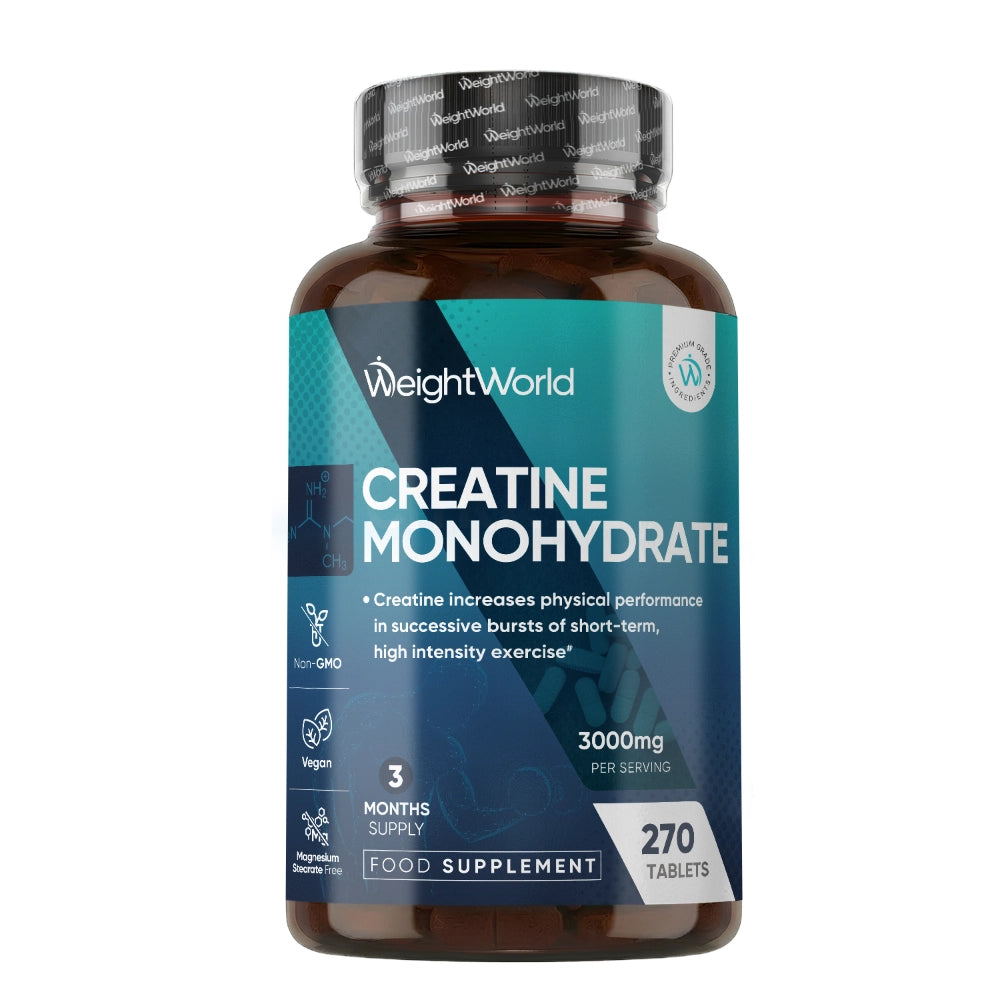
2. Creatine Monohydrate
Creatine is one of the most researched ergogenic aids. It increases phosphocreatine stores in muscle cells, allowing for greater ATP regeneration during short, high-intensity efforts.
- Dosage: 5″?g daily, either as a loading phase (20″?g split into 4 doses for 5-7 days) or a consistent low-dose protocol.
- Benefits: Improved strength, increased training volume, and enhanced muscle fiber size.
- Tip: Dissolve in warm water or a flavored beverage for better solubility.
3. Branched-Chain Amino Acids (BCAAs)
BCAAs, leucine, isoleucine, and valine, play a direct role in reducing muscle protein breakdown during prolonged exercise.
- Dosage: 5-10″?g before or during workouts.
- Benefits: Decreased fatigue, faster recovery, and preservation of lean tissue during calorie deficits.
- Tip: Opt for a 2:1:1 ratio (leucine:isoleucine:valine) for optimal efficacy.
4. Beta-Alanine
Beta-alanine buffers intramuscular acidity, delaying the onset of fatigue in high-rep sets and endurance-type training.
- Dosage: 2-5″?g per day, split into smaller doses to avoid tingling sensations.
- Benefits: Increased total work capacity and improved training quality.
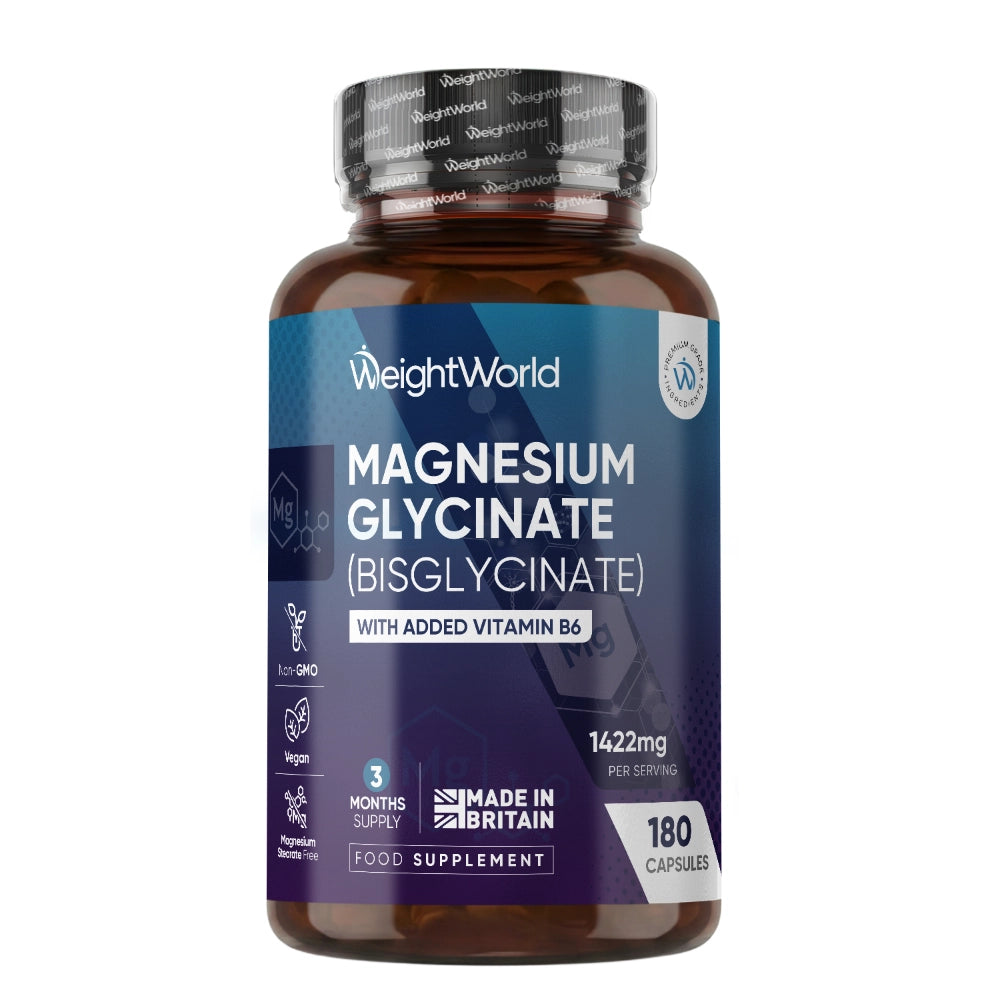
5. Vitamin D & Magnesium
Both micronutrients are essential for hormonal health and muscle function. Deficiencies can blunt anabolic signaling and impair recovery.
- Vitamin D: 1000-2000″?IU daily, especially in regions with limited sunlight.
- Magnesium: 300-400″?mg daily, preferably in a chelated form for better absorption.
Choosing the Best Supplements for Muscle Growth
When evaluating options, prioritize products that demonstrate transparency, third-party testing, and a formulation aligned with scientific evidence. The best supplements for muscle growth are typically those that combine high purity with minimal filler content, ensuring each dose delivers the intended active ingredient.
How to Stack Supplements Effectively
Strategic stacking maximizes synergy while minimizing redundancy. Below is a sample daily stack for an intermediate lifter:
- Morning: Vitamin D, magnesium, and 5″?g creatine mixed in water.
- Pre-Workout (30″?min): 5″?g beta-alanine + 5″?g BCAAs.
- Post-Workout: 30″?g whey protein isolate + 5″?g creatine (if not taken earlier).
- Evening: Additional 5″?g casein protein (optional) for overnight amino acid delivery.
Consistency is key; the benefits of supplementation compound over weeks and months, not days.
Common Pitfalls and How to Avoid Them
- Over-reliance on supplements: They complement, not replace, whole-food nutrition.
- Ignoring dosage guidelines: Excessive intake can lead to gastrointestinal distress or diminished returns.
- Neglecting hydration: Creatine and beta-alanine increase intracellular water demand.
- Skipping rest days: Muscles grow during recovery; supplements aid but cannot substitute proper sleep.
Final Thoughts
Optimizing muscle growth hinges on a holistic approach: disciplined resistance training, a protein-rich diet, adequate sleep, and the intelligent use of evidence-backed supplements. By selecting high-quality products, adhering to proven dosages, and integrating them into a well-structured nutrition plan, athletes can accelerate gains while maintaining long-term health. For those seeking to refine their supplement regimen, exploring curated selections of the best supplements for muscle growth offers a reliable starting point rooted in scientific rigor.